Navigating the World of Mobility Scooters: A Comprehensive Guide
In an age where mobility is progressively recognized as a basic aspect of quality of life, the need for assistive devices has actually risen. Among these, mobility scooters stick out as a versatile and empowering option for people with mobility difficulties. This detailed guide looks into the world of mobility scooters, providing insights into their types, advantages, acquiring factors to consider, and upkeep suggestions.
Comprehending Mobility Scooters
Mobility scooters are motorized lorries created to assist people with mobility concerns in walking around more freely and individually. They are particularly advantageous for those who discover walking challenging due to conditions such as arthritis, several sclerosis, or post-surgical recovery. Unlike manual wheelchairs, mobility scooters need very little physical effort, making them an outstanding option for extended use.
Types of Mobility Scooters
Three-Wheel Scooters
- Pros: More maneuverable, lighter, and much easier to keep.
- Cons: Less stable on rough surface.
- Best For: Indoor and smooth outside surfaces.
Four-Wheel Scooters
- Pros: More stable, better on rough surface, and can bring much heavier loads.
- Cons: Bulkier and less maneuverable.
- Best For: Outdoor usage, specifically in parks and on unequal surfaces.
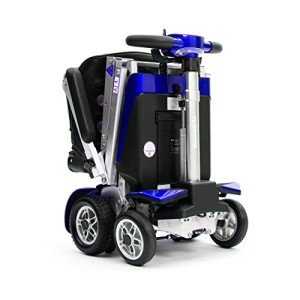
Portable Scooters
- Pros: Lightweight, collapsible, and simple to transportation.
- Cons: Limited range and speed.
- Best For: Travel and periodic use.
Sturdy Scooters
- Pros: Built to deal with heavier users and rugged environments.
- Cons: More expensive and less portable.
- Best For: Users over 300 pounds or those who need to browse rough terrain.
Standing Scooters
- Pros: Provide a standing position, which can be useful for users who can not sit for extended periods.
- Cons: Limited stability and variety.
- Best For: Users who choose standing and require short-distance help.
Advantages of Mobility Scooters
Enhanced Independence
- Mobility scooters enable users to travel longer ranges without tiredness, enabling them to take part more completely in day-to-day activities and gatherings.
Improved Safety
- With features like safety belt, anti-tip wheels, and brake systems, mobility scooters use a much safer option to manual wheelchairs and walking aids.
Comfort and Support
- Adjustable seats, backrests, and armrests ensure a comfortable ride, decreasing the strain on the user's body.
Cost-efficient
- While the preliminary financial investment can be significant, mobility scooters are frequently more affordable in the long run compared to regular taxi rides or specialized transportation services.
Social Inclusion
- Mobility scooters assist in greater social interaction by enabling users to participate in neighborhood activities and maintain a more active way of life.
Aspects to Consider When Buying a Mobility Scooter
User Needs and Abilities
- Assess the user's physical condition, mobility requirements, and everyday activities to determine the most suitable type of scooter.
Size and Weight Capacity
- Make sure the scooter can accommodate the user's size and weight easily and safely.
Variety and Speed
- Think about the common range and speed required for everyday usage. Some scooters have a variety of up to 30 miles on a single charge.
Portability
- If travel is a top priority, choose a portable scooter that can be quickly disassembled and transferred.
Maintenance and Support
- Pick a trusted manufacturer that offers reputable client service and upkeep support.
Spending plan
- Set a spending plan and explore options that use the very best worth for money. Think about financing choices and prospective insurance coverage.
Maintenance Tips for Mobility Scooters
Regular Cleaning
- Tidy the scooter routinely to avoid dirt and particles from affecting its efficiency. Use a soft fabric and moderate cleaning agent.
Battery Maintenance
- Follow the manufacturer's guidelines for battery charging and maintenance. Frequently inspect the battery level and prevent deep discharges.
Tire Inspection
- Examine the tires for wear and proper inflation. Replace or repair as needed to guarantee a smooth and safe ride.
Lubrication
- Lube moving parts such as the chain and gears to reduce friction and prevent wear.
Expert Servicing
- Schedule regular expert servicing to attend to any concerns and ensure the scooter remains in optimal condition.
FAQs About Mobility Scooters
Are mobility scooters covered by insurance?
- Some insurance coverage strategies, consisting of Medicare, may cover the cost of mobility scooters under specific conditions. Contact your provider for particular details.
Can I utilize a mobility scooter indoors?
- Yes, numerous mobility scooters are created for both indoor and outside usage. Make sure the scooter is suitable for the type of surface areas you will be navigating.
How quick can mobility scooters go?
- The speed differs by design, however a lot of mobility scooters have an optimal speed of 4 to 8 miles per hour.
Do I require a license to run a mobility scooter?
- In many countries, a license is not required to run a mobility scooter. Nevertheless, it is very important to follow local guidelines and traffic laws.
Can I travel with a mobility scooter?
- Many mobility scooters are developed to be portable and can be disassembled for travel. Contact airline companies and transport service providers for specific requirements.
Mobility scooters are a transformative tool for individuals with mobility difficulties, providing a mix of independence, security, and convenience. By comprehending the different types of scooters, thinking about crucial purchasing elements, and following maintenance best practices, users can maximize their mobility scooter and lead a more active and fulfilling life. Whether for daily commutes or leisurely buy scooter near me , a well-chosen mobility scooter can be a valuable buddy on the journey to boosted mobility and quality of life.